


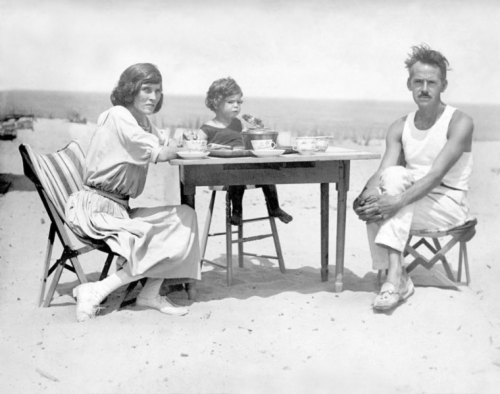
Eugene O'Neill (1888-1953) was a prolific American playwright whose work was renowned for being rather gloomy and pessimistic. His plays include Beyond the Horizon (1918) and Long Day's Journey into Night (written in 1941, and first performed in 1956) both of which won Pulitzer Prizes.

 Photo Bits Erotica
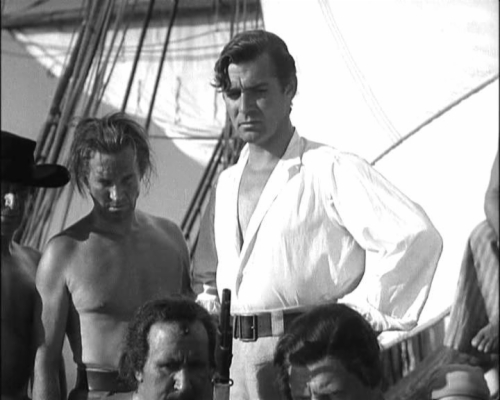 Clark Gable as Fletcher Christian in a screenshot from the trailer of 'Mutiny on the Bounty' (1935) - Credit: Trailer Screenshot
 Poster for 1922 film 'Blood and Sand' - Credit: Paramount Pictures


The title of the farming magazine and its publication by 'some Russian friends' of Flora Poste reflect the support for Communism and Socialism which existed in Britain during the 1930s (both amongst working-class people and intellectuals), and the growing interest in progressive developments in Soviet Russia.
The Communist Party of Great Britain was founded in 1920. In 1935 Willie Gallacher, a Communist candidate, was elected as the Member of Parliament for West Fife, a Scottish coalmining community. It was also during the 1930s that individuals such as Kim Philby and Anthony Blunt (who went on to be Soviet spies) joined the Communist Party whilst studying at Cambridge University.
Stella Gibbons' reference in Cold Comfort Farm to 'The State Concert Hall' and a State psychoanalyst suggests that some form of Communism or Socialism is part of her vision of the 'near future'. This vision of state-organised healthcare anticipates the foundation of the National Health Service in 1948, and was one of her most accurate predictions. As the daughter of a doctor whose poorer patients were often unable to pay for his services, Stella Gibbons would have been acutely aware of the need for such a service.
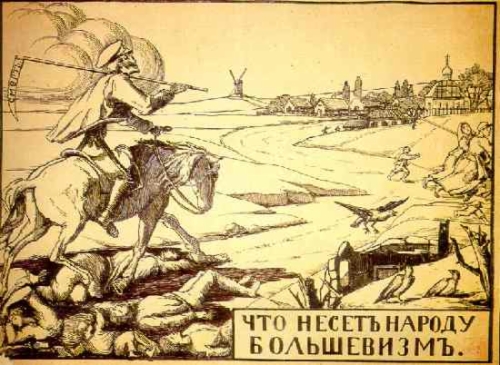
Listen on Spotify: The Red Flag - the anthem of Communism and Socialism.