


The fashionable and intellectual sets were wont to show themselves at concerts during the Regency Period. Concerts of music, recitations and various cantata seem to be the preferred form of entertainment for Miss Anne Elliot, as opposed to card parties.
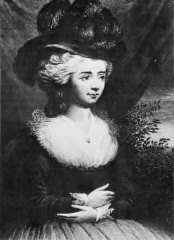
 Fanny Burney - Credit: Edward Francesco Burney
The Middle Temple and the Inner Temple, part of the Inns of Court in London, contain offices and associations of legal professionals, a profession for which Mr. Elliot has been trained.
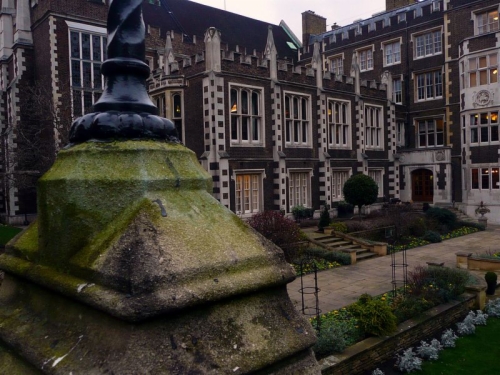
 Middle Temple - Credit: Sberla_
Having chambers, or offices, in the Temple meant that at that time Mr. Elliot was making at least a pretence of practising law. The two other Inns of Court are Lincoln's Inn and Gray's Inn.
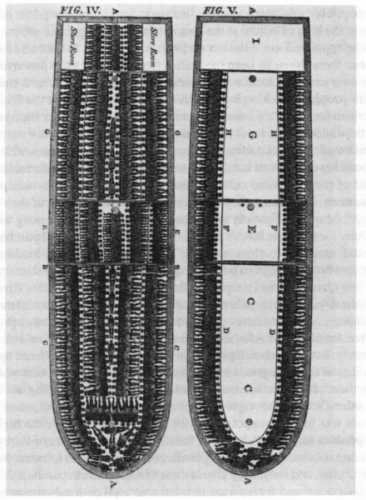
Led by Edward Said in his 1978 book Orientalism, some critics have argued that Jane Austen covertly condones the transatlantic slave trade in her novels. Their argument rests on such mentions as this, by Mrs Smith, of incomes generated from properties in the West Indies, where slaves worked on English-owned sugar plantations.
In Austen's novel Mansfield Park the slave trade features more heavily: Sir Thomas Bertram, the main patriarchal figure, has properties in Antigua, and the politics of the 1807 Abolition of the slave trade are discussed. However, as this article discusses, Said's criticism is based on a shallow understanding of Austen's novels; closer readings have discovered Austen's clear Abolitionist sympathies. Further, as Persuasion is set after 1807, claims of subtextual links to slavery are unfounded.
For more on this, see Gabrielle White's book Jane Austen in the Context of Abolition: 'A Fling at the Slave Trade' .