


Santo Domingo, the founding city on the island Columbus named Hispaniola and which is now part of the Dominican Republic, changed hands quite a few times in the early 19th century.
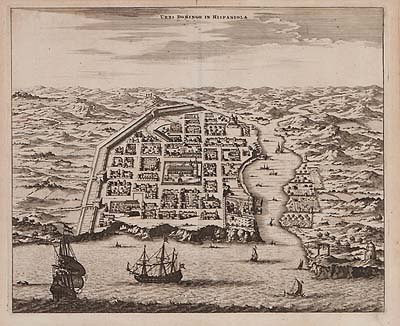
 Hispaniola 1671 - Credit: wikimedia commons
It was a city integral to colonial interests in the West Indies and a destination of interest to pirates and buccaneers. When Austen's Captain Wentworth was successful there (c. 1806) it was in French hands. He would have been promoted for his action against the French.
Accomplished young ladies in the Regency period were expected to excel at music, specifically the piano forte (or fortepiano).

 Pianoforte and harp - Credit: Thesupermat
While this picture depicts a far grander salon (Le Petit Trianon), the Musgroves would have been able to afford very good instruments and the character of Louisa suggests she would have demanded them.
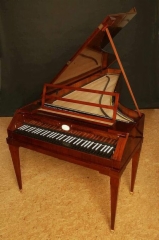 Fortepiano 1805 - Credit: Paul McNulty, Viviana Sofronitzki
The sound quality differed on the piano forte, an early version of a piano. The octave range also was smaller.
Here is an example of an early 19th century song for the piano such as the misses Musgrove might have learned to play:
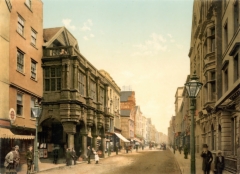
 Exeter - Credit: Oliver Beige
Exeter lies on the river Exe in Devon. The 'usual stock' of accomplishments would have included sewing, dancing, and deportment. Being taught how to be a lady was considered to be of more importance than the more academic subjects.
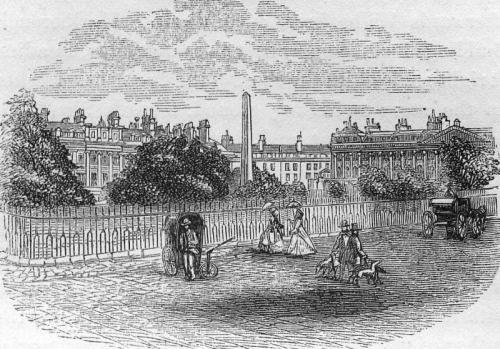 Engraving of Queen Square
Queen Square is an elegant Palladian square in the centre of Bath. Built by the architect John Wood the Elder, Queen Square was one of the first Georgian developments in the city. By Austen's day, it was associated with the old Establishment; the Musgrove girls would prefer to be in a newer, and consequently more fashionable, part of town.
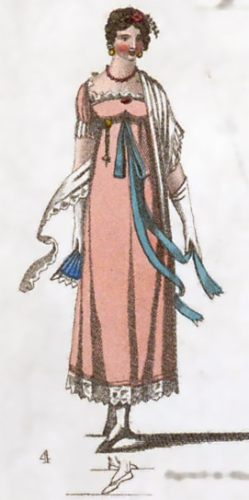 Country Dancing - Credit: T. Wilson
Anne plays country dances on the pianoforte; music that was meant to accompany a structured, but animated form of dancing exercise and entertainment. Precise placement of feet and hands was essential.
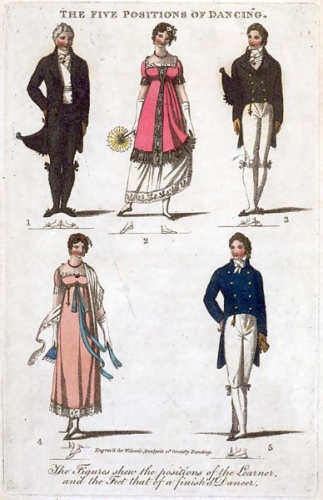 Country Dancing 2 - Credit: T. Wilson